
Affiliate Disclosure: Some links in this post are affiliate links, meaning I may earn a commission if you make a purchase through them, at no extra cost to you.
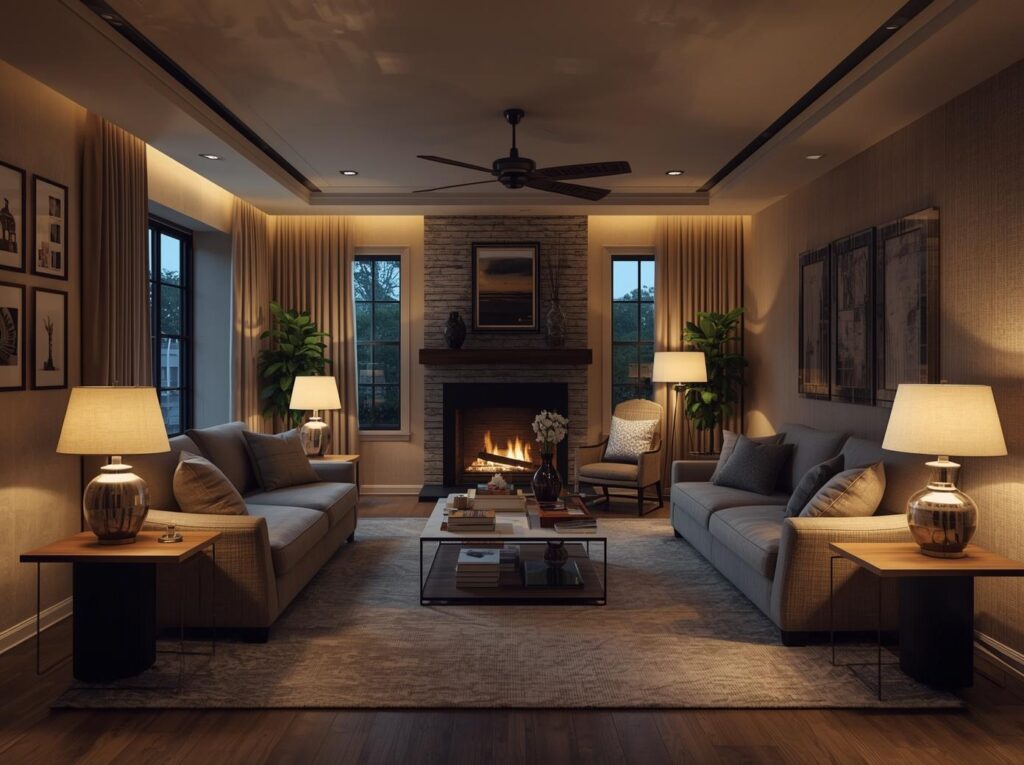
Lighting is one of the most overlooked elements in home design—yet it has the power to completely transform how a space looks and feels. You can have beautiful furniture, perfect wall colors, and stylish décor, but if your lighting is poor, the entire room falls flat.
The good news? You don’t need a full renovation or a huge budget to upgrade your lighting. With a few smart adjustments, you can make your home feel warmer, bigger, more luxurious, and more inviting almost instantly.
In this guide, we’ll explore practical, affordable lighting tricks that elevate any space—whether you’re decorating a small apartment, a family home, or even a single room.
1. Layer Your Lighting for Depth and Dimension
The biggest mistake people make is relying on a single light source—usually a harsh overhead bulb. This creates flat, uninviting spaces with shadows in all the wrong places.
Instead, aim for layered lighting, which combines three types:
- Ambient lighting – the main source (ceiling lights)
- Task lighting – focused lighting (desk lamps, reading lights)
- Accent lighting – decorative lighting (LED strips, wall lights)
When these layers work together, your space feels balanced and visually rich.
Quick tip: Try adding a floor lamp in a corner or a table lamp beside your sofa. Even one extra light source can dramatically improve the atmosphere.
2. Swap Harsh White Bulbs for Warm Light
Lighting color temperature has a huge impact on mood.
- Cool white (4000K–6500K): Bright and clinical
- Warm white (2700K–3000K): Soft, cozy, and inviting
If your home feels cold or unwelcoming, your bulbs might be the problem.
Switching to warm lighting instantly creates a relaxed, high-end feel, especially in living rooms and bedrooms.
Best practice:
- Use warm light in living areas and bedrooms
- Use neutral/cool light in kitchens and workspaces
3. Use Statement Lighting as a Focal Point
A well-chosen light fixture can act as a centerpiece, just like artwork.
Think:
- Pendant lights over dining tables
- A bold chandelier in the living room
- Unique ceiling fixtures in entryways
Statement lighting draws attention upward and gives your space a designed, intentional look.
Budget-friendly idea: Even a simple but stylish pendant light can elevate a room far more than expensive furniture.
4. Add LED Strip Lighting for a Modern Touch
LED strip lights are one of the easiest and most affordable ways to upgrade your home.
You can install them:
- Under cabinets in the kitchen
- Behind TVs
- Under beds
- Along shelves or ceilings
They create a subtle glow that adds depth and a modern aesthetic.
Pro tip: Choose warm or soft white LEDs instead of bright colors if you want a more elegant, timeless look.
5. Highlight Key Features with Accent Lighting
Instead of lighting everything equally, focus on what matters.
Accent lighting helps you draw attention to:
- Artwork
- Shelves
- Architectural details
- Plants
This creates visual interest and makes your home feel curated rather than random.
Simple trick: Use small spotlights or directional lamps to highlight one or two areas in a room.
6. Maximize Natural Light During the Day
Artificial lighting is important, but nothing beats natural light.
To make the most of it:
- Use light, sheer curtains instead of heavy drapes
- Position mirrors opposite windows to reflect light
- Keep windows clean and uncluttered
Natural light makes spaces feel larger, fresher, and more vibrant.
7. Use Mirrors to Amplify Light
Mirrors don’t just serve a decorative purpose—they multiply light.
Placing a mirror strategically can:
- Brighten dark corners
- Make small rooms feel bigger
- Enhance both natural and artificial lighting
Best placement: Opposite a window or near a light source.
8. Install Dimmers for Flexible Mood Control
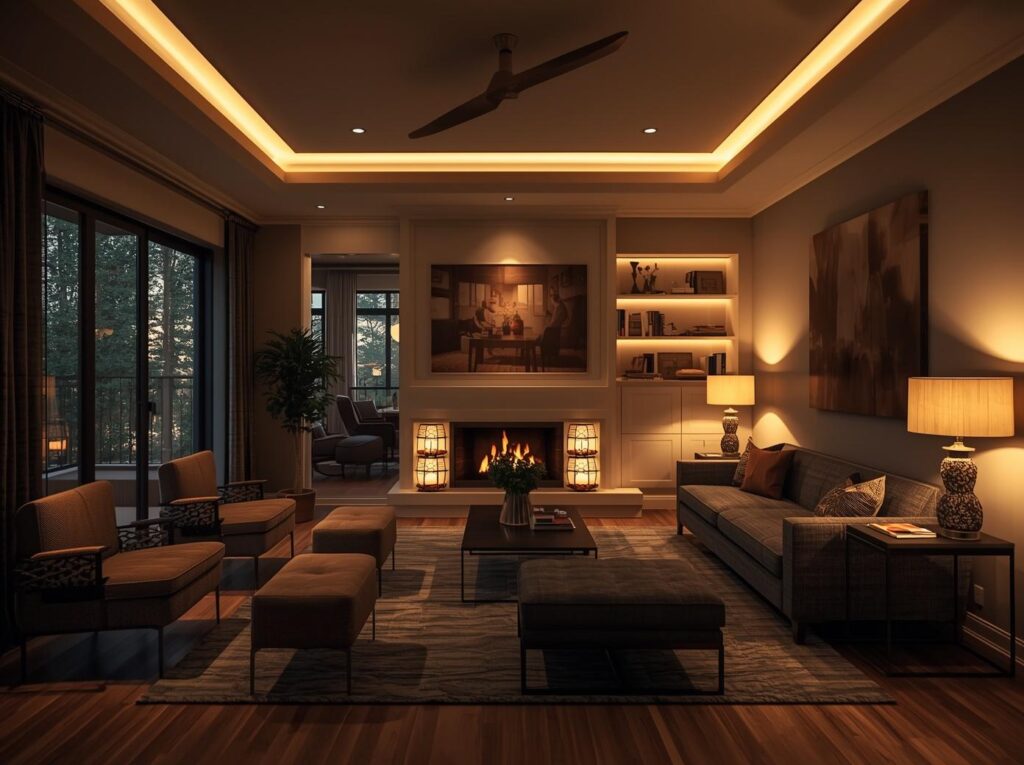
Lighting shouldn’t be one-size-fits-all.
Dimmer switches allow you to adjust brightness depending on the time of day or activity.
- Bright light for cleaning or working
- Soft light for relaxing or entertaining
This small upgrade adds a luxury feel to your home and improves functionality.
9. Don’t Ignore Corners and Dark Spots
Dark corners can make a room feel smaller and less inviting.
Fix this by:
- Adding a floor lamp
- Using a small table lamp
- Installing wall-mounted lights
Even subtle lighting in these areas can make your space feel more complete and balanced.
10. Choose the Right Lampshades
Lampshades do more than decorate—they control how light spreads.
- Light-colored shades: Diffuse light softly
- Dark shades: Create a dramatic, focused glow
- Wide shades: Spread light broadly
- Narrow shades: Direct light downward
Switching a lampshade can completely change the mood of a room without replacing the entire fixture.
11. Mix Materials for a Richer Look
Lighting fixtures come in different finishes—metal, glass, wood, fabric.
Mixing materials adds depth and character.
For example:
- A metal floor lamp + fabric lampshade
- Glass pendant lights + wooden furniture
This layered look feels more sophisticated and less “flat.”
12. Use Lighting to Define Spaces
In open-plan homes, lighting can help separate areas without walls.
For example:
- A pendant light over the dining table
- Floor lamps in the living area
- Task lighting in a workspace
This creates visual zones and makes your layout feel intentional.
13. Keep It Balanced (Avoid Overlighting)
More light isn’t always better.
Too many bright lights can make a space feel harsh and uncomfortable.
Instead:
- Use multiple soft light sources
- Avoid overly bright bulbs
- Let some areas remain slightly dim for contrast
Balance is key to achieving a cozy, inviting environment.
14. Upgrade Your Bulbs (It Matters More Than You Think)
Not all bulbs are equal.
Look for:
- Energy-efficient LED bulbs
- High color rendering (CRI) for accurate colors
- Long lifespan
Better bulbs improve both the look of your space and your energy efficiency.
15. Add Portable Lighting for Flexibility
Portable lights (like rechargeable lamps) are becoming increasingly popular.
They’re perfect for:
- Outdoor spaces
- Power outages
- Moving around the house
They also add convenience without needing permanent installation.
Points to Remember: Small Changes, Big Impact
Lighting is one of the fastest and most cost-effective ways to upgrade your home. You don’t need expensive renovations or professional designers—just a thoughtful approach.
Start small:
- Change your bulbs
- Add one or two lamps
- Introduce layered lighting
From there, you’ll begin to see how powerful lighting can be.
A well-lit home doesn’t just look better—it feels better. It becomes a place where you can relax, focus, entertain, and truly enjoy your space.