
Affiliate Disclosure: Some links in this post are affiliate links, meaning I may earn a commission if you make a purchase through them, at no extra cost to you.
In 2026, growing concerns about supply chain instability, climate-related disruptions, economic uncertainty, and geopolitical tensions have led to increasing discussions about the possibility of a food crisis in the United States. While such a scenario is not guaranteed, preparedness is a rational and responsible step. Food security is not just about survival—it is about maintaining stability, health, and dignity during uncertain times.
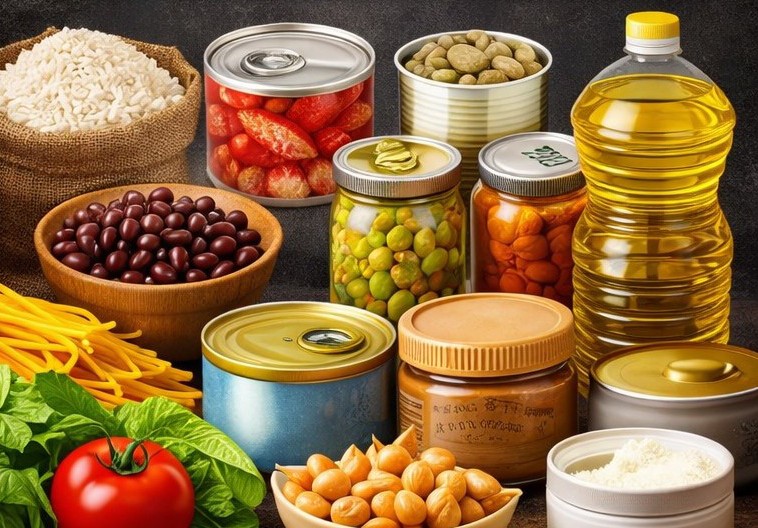
A well-structured 90-day emergency food stock plan provides a critical buffer against disruptions. It allows individuals to avoid panic buying, maintain nutritional balance, and remain self-reliant during temporary shortages. This article presents a carefully designed plan for one adult, explaining not only what to store, but why each item is essential.
Understanding the Goal of a 90-Day Food Supply
A 90-day stockpile should achieve four key objectives:
- Adequate Calories – Approximately 2,000–2,500 kcal per day
- Balanced Nutrition – Protein, fats, carbohydrates, vitamins, and minerals
- Long Shelf Life – Foods that remain stable for months or years
- Ease of Preparation – Minimal reliance on complex cooking systems
The plan outlined here meets all four requirements while remaining practical and cost-effective.
1. Core Staples: The Foundation of Survival
Rice (25–30 kg)
Rice is the cornerstone of emergency food storage. It is one of the most efficient calorie sources available, with a long shelf life when stored properly.
Importance:
- Provides a steady energy supply
- Extremely versatile—can be paired with nearly any food
- Easy to store in bulk without refrigeration
White rice, in particular, can last for years when kept in airtight containers. It forms the backbone of daily meals in a crisis.
Pasta (10–12 kg)
Pasta complements rice by offering dietary variety and quick preparation.
Importance:
- Fast cooking time (important if fuel is limited)
- High carbohydrate content for sustained energy
- Pairs well with canned foods and oils
Variety in texture and taste helps reduce “food fatigue,” which is a real issue during long-term emergencies.
Flour or Cornmeal (10–15 kg)
Flour provides flexibility in meal preparation.
Importance:
- Enables making bread, pancakes, flatbreads, and porridge
- Adds diversity to the diet
- Can stretch other food supplies
In a prolonged crisis, the ability to prepare different types of meals becomes psychologically and nutritionally important.
2. Protein Sources: Maintaining Strength and Health
Dried Beans (10–12 kg)
Beans are a staple protein source in emergency planning.
Importance:
- High in protein and fiber
- Long shelf life when kept dry
- When combined with grains like rice, they form a complete protein
They are essential for maintaining muscle mass and overall body function.
Canned Meat (40–60 cans)
Canned meat provides ready-to-eat animal protein.
Importance:
- Requires no cooking
- Rich in essential nutrients like iron and B vitamins
- Useful when energy or fuel is limited
In a crisis, convenience becomes as important as nutrition, making canned meat indispensable.
Peanut Butter (6–8 kg)
Peanut butter is a highly efficient survival food.
Importance:
- Dense in calories, protein, and healthy fats
- Ready to eat
- Long shelf life
It serves as both a meal supplement and a quick energy source.
3. Fats and Oils: The Overlooked Essential
Cooking Oil (6–8 liters)
Fats are often underestimated but are critical for survival.
Importance:
- Provides the highest calories per gram
- Supports brain function and hormone production
- Enhances flavor and satiety
Without sufficient fats, even a calorie-rich diet can feel inadequate and unsatisfying.
4. Dairy and Calcium Sources
Powdered Milk (4–5 kg)
Powdered milk offers essential nutrients often lacking in emergency diets.
Importance:
- Rich in calcium for bone health
- Provides protein and vitamins
- Can be used in cooking or as a beverage
It helps prevent nutritional deficiencies during extended periods without fresh food.
5. Fruits and Vegetables: Micronutrient Security
Canned Vegetables (60–90 cans)
Vegetables are critical for maintaining overall health.
Importance:
- Provide vitamins, minerals, and fiber
- Support immune function
- Ready to eat
In a crisis, the absence of micronutrients can lead to fatigue, illness, and weakened immunity.
Canned Fruits (30–45 cans)
Fruits add both nutrition and psychological comfort.
Importance:
- Provide natural sugars for quick energy
- Contain essential vitamins like vitamin C
- Improve morale during stressful times
Maintaining morale is not trivial—mental resilience plays a major role in survival situations.
6. Essential Additions
Sugar or Honey (3–5 kg)
These are more than just sweeteners.
Importance:
- Quick source of energy
- Useful for preserving foods
- Enhances taste, making meals more enjoyable
Honey, in particular, has an exceptionally long shelf life.
Salt (1–2 kg)
Salt is a non-negotiable necessity.
Importance:
- Maintains electrolyte balance
- Essential for bodily functions
- Preserves food
A lack of salt can lead to serious health complications, especially in physically demanding situations.
7. Optional but Highly Recommended Items
Oats (5–8 kg)
- Ideal for breakfast
- High in fiber
- Easy to prepare
Instant Noodles
- Quick meals when time or energy is limited
Spices and Seasonings
- Improve taste and prevent food fatigue
Tea or Coffee
- Psychological comfort and routine maintenance
Multivitamins
- Insurance against nutrient deficiencies
Daily Meal Structure Example
A simple daily plan using these foods might look like:
- Breakfast: Oats with powdered milk and sugar
- Lunch: Rice and beans with vegetables
- Dinner: Pasta with canned meat and oil
- Snacks: Peanut butter, fruit, tea
This structure ensures a balanced intake of nutrients while using stored supplies efficiently.
Storage Strategy: A Critical Factor
Even the best food plan fails without proper storage. Key guidelines include:
- Use airtight containers for grains and flour
- Store food in a cool, dry, and dark place
- Rotate stock every 6–12 months
- Keep a manual can opener available
Improper storage can lead to spoilage, pests, and wasted resources.
Estimated Cost and Accessibility
A 90-day food supply for one adult is surprisingly achievable:
- Staples: $120–$180
- Proteins: $200–$300
- Canned goods: $150–$250
- Oils and extras: $80–$120
Total Estimated Cost: $550–$850
When spread over time, this becomes a manageable investment in security.
Common Mistakes to Avoid
Many people prepare incorrectly due to misunderstandings:
- Underestimating calorie needs
- Ignoring fats and oils
- Relying only on canned goods without staples
- Failing to plan for cooking limitations
- Neglecting variety, leading to appetite fatigue
Avoiding these mistakes significantly improves resilience during a crisis.
Final Thoughts: Preparedness as Responsibility
Preparing a 90-day food supply is not an act of fear—it is an act of foresight. In uncertain times, those who prepare early avoid panic, maintain stability, and are better positioned to help others.
A food crisis, if it occurs, will not impact everyone equally. Those with a structured plan will have a clear advantage in maintaining their health, finances, and peace of mind.
The plan outlined above is not extreme—it is practical, achievable, and grounded in fundamental principles of nutrition and logistics. Whether the projected crisis materializes or not, building a 90-day emergency food reserve is a prudent step toward long-term security.